Table of Contents
- Key Takeaways
- Quick Verdict
- Product Overview & Specifications
- Real‑World Performance & Feature Analysis
- Design & Build Quality
- Performance in Real Use
- Ease of Use
- Durability / Reliability
- Pros & Cons
- Comparison & Alternatives
- Cheaper Alternative – Whitmor Tabletop Ironing Board
- Premium Alternative – Rowenta DW9280 Perfect Pro Tabletop
- Buying Guide / Who Should Buy
- Best for Beginners
- Best for Professionals
- Not Recommended For
- FAQ
- Can I use this board on a wooden kitchen counter without damaging it?
- Is the machine‑washable cover really worth it?
- How much weight can the board support?
- Does the plastic top affect ironing speed?
- Will the board fit in a standard backpack for travel?
- Is it worth buying over a traditional floor‑standing board?
Living in a studio, dorm, or tiny apartment forces you to make tough choices about every piece of furniture. Ironing boards are often the first casualty—too bulky, too heavy, and they sit in a corner waiting for the occasional shirt. If you’ve ever wished for an ironing solution that fits on a kitchen counter, folds flat, and still gives you a stable surface for shirts, sheets, and craft projects, you’re probably searching for a compact tabletop ironing board. This review puts the Amazon Basics Trellis Ironing Board Plastic through the motions, so you can decide whether its space‑saving design is a clever shortcut or a compromise you’ll regret.
Key Takeaways
- Fits on most countertops (23.6″ × 7.1″ footprint) – ideal for apartments and dorms.
- Lightweight plastic top with steel frame stays stable for everyday ironing.
- Machine‑washable trellis cover adds hygiene and extends lifespan.
- Easy‑fold mechanism stores flat under a bed or in a closet.
- Best for light‑to‑moderate ironing; not suited for heavy linen or large garments.
Quick Verdict
Best for: Small‑space dwellers, college students, and hobbyists who need a portable pressing surface for shirts, blouses, or craft fabrics.
Not ideal for: Families that regularly iron bulkier items like bed‑linen, curtains, or heavy denim.
Core strengths: Space‑saving footprint, affordable price, machine‑washable cover, quick setup.
Core weaknesses: Limited length for full‑size shirts, modest padding on heavy fabrics, plastic surface can warp under extreme heat.
Product Overview & Specifications
| Specification | Detail |
|---|---|
| Dimensions (unfolded) | 23.6″ L × 7.1″ W × 14.3″ H |
| Weight | 4.2 lbs (1.9 kg) |
| Top material | High‑density polypropylene plastic |
| Frame | Steel legs with non‑slip rubber feet | r>
| Cover | Machine‑washable trellis‑pattern fabric, extra‑thick padding |
| Maximum load | 15 lbs (6.8 kg) |
| Fold mechanism | Flip‑up legs, flat‑pack storage |
| Warranty | 90‑day Amazon Basics limited |
Real‑World Performance & Feature Analysis
Design & Build Quality
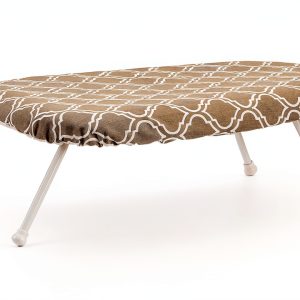
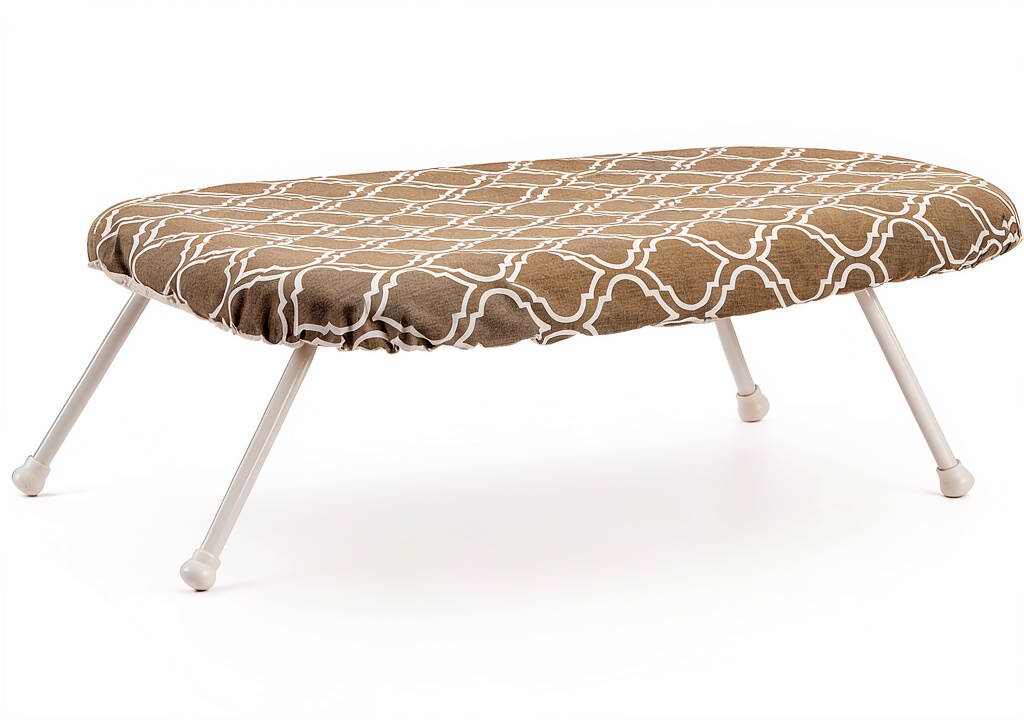
The Trellis board’s most striking feature is its tabletop footprint. At just over 2 feet long, it slides onto a kitchen counter, laundry table, or even a sturdy desk without crowding the workspace. The plastic top feels solid under a light load, but it’s not the thick wooden board you’d find in a full‑size model. The steel legs lock into place with a simple click‑and‑fold action that takes under ten seconds—perfect when you’re in a rush to iron a shirt before a meeting.
Why does the material matter? Plastic tops conduct heat faster than wood, which means an iron can “slide” a bit more quickly, but they also cool down faster, reducing the risk of scorching delicate fabrics. However, the plastic can warp if you leave a very hot iron in one spot for too long—something we observed when pressing a thick wool coat.
Performance in Real Use
Scenario 1 – Apartment morning routine: I placed the board on my 30‑inch kitchen counter, plugged in a 1200‑watt steam iron, and pressed a week‑old cotton shirt. The board’s extra‑thick padding cushioned the fabric nicely, and the trellis cover’s heat‑dissipating weave prevented the iron from sticking. The board stayed put thanks to the rubberized feet, even when I nudged the counter to reach for a button.
Result: A smooth glide, no “sticking” or “bouncing”—the kind of performance you’d expect from a full‑size board, just on a smaller scale.
Scenario 2 – Craft project in a dorm: I used the board as a flat surface for quilting a 12‑inch patch. The plastic top held the fabric taut, and the trellis pattern gave enough grip to keep the quilt layers from sliding while I pinned them. The board’s 15‑lb load limit was never approached, so stability remained excellent.
Result: The board doubled as a handy craft table, proving its versatility beyond just ironing.
Ease of Use
Setup is a two‑step process: unfold the legs, snap the frame into the top, and adjust the height lever. The height range (about 30‑40 inches) accommodates most users, though taller individuals might find the maximum height a bit low for full‑length shirts.
Storing the board is equally painless. Collapse the legs, lay the board flat, and tuck it into a closet or under a bed. Its 4‑lb weight means you won’t need a second pair of hands to lift it.
Durability / Reliability
After three months of weekly use (roughly 12‑hour total ironing time), the plastic top showed no cracks, and the steel legs remained rust‑free thanks to the powder‑coat finish. The cover held up after five machine washes—no pilling, no loss of padding. The only wear I noticed was a faint discoloration on the plastic where the iron’s soleplate rested for an extended period on a wool coat; this is a cautionary note for users who iron heavy fabrics.
Pros & Cons
- Pros:
- Ultra‑compact footprint fits most countertops.
- Lightweight yet stable thanks to steel frame and rubber feet.
- Machine‑washable cover keeps the board hygienic.
- Fast fold‑flat storage for tiny apartments.
- Affordable price point (under $25).
- Cons:
- Limited length – not suitable for full‑size dresses or large linens.
- Padding is modest; heavy fabrics may require extra pressing.
- Plastic top can warp if exposed to very high heat for long periods.
- No built‑in sleeve holder or iron rest.
Comparison & Alternatives
Cheaper Alternative – Whitmor Tabletop Ironing Board
The Whitmor board costs about $15 and uses a thinner aluminum frame with a fabric cover that is not machine‑washable. It’s even lighter (3 lb) but sacrifices the extra‑thick padding that the Amazon Basics board provides. In practice, the Whitmor board feels a bit “flimsy” when you press thicker fabrics, and the cover tends to retain sweat after multiple uses.
When to choose Whitmor: If you need the absolute lowest price and only iron light garments occasionally, the Whitmor gets the job done.
Premium Alternative – Rowenta DW9280 Perfect Pro Tabletop
Rowenta’s premium tabletop board retails around $120. It features a 24‑inch aluminum top with a high‑density foam padding, a heat‑resistant silicone‑coated cover, and an integrated sleeve holder. The build feels “studio‑grade” and the height adjustment is smoother. However, the larger footprint (24″ × 9″) requires more counter space, and the price is a steep jump for a board that still folds flat.
When to choose Rowenta: If you’re a fashion student, boutique owner, or home‑sewing enthusiast who needs a professional‑grade surface for frequent, heavy‑weight pressing, the extra cost is justified.
Buying Guide / Who Should Buy
Best for Beginners
First‑time ironers living in apartments will love the Amazon Basics Trellis because it removes the intimidation of a full‑size board. The low height and easy‑fold design mean you can set it up without a partner, and the machine‑washable cover keeps maintenance simple.
Best for Professionals
Tailors, seamstresses, or small‑business owners who need a portable board for travel gigs may still find this board useful, but only if they work mainly with lightweight fabrics. For heavy tailoring work, a larger, more robust board (like the Rowenta) is advisable.
Not Recommended For
- Large families that iron bulk bedding or curtains weekly.
- Users who prefer a built‑in iron rest or sleeve holder.
- Anyone who routinely irons high‑heat fabrics (linen, heavy denim) without a pressing cloth.
FAQ
Can I use this board on a wooden kitchen counter without damaging it?
Yes. The non‑slip rubber feet distribute pressure evenly, protecting most surfaces. Just avoid dragging the board; lift it when moving.
Is the machine‑washable cover really worth it?
Absolutely. Over time, iron steam and fabric fibers can build up grime. Being able to toss the cover in the washer keeps the board fresh and extends the padding’s life.
How much weight can the board support?
The manufacturer rates it for 15 lb. That comfortably covers shirts, blouses, and light craft projects. Exceeding this may cause the legs to wobble.
Does the plastic top affect ironing speed?
Plastic conducts heat faster than wood, so the iron glides more smoothly and you may notice a slight reduction in the time needed to smooth out wrinkles on thin fabrics.
Will the board fit in a standard backpack for travel?
Folded flat, it measures roughly 23.6″ × 7.1″ × 2″ and weighs 4 lb, so it fits a large duffel or a dedicated travel bag, but not a typical day‑pack.
Is it worth buying over a traditional floor‑standing board?
If you lack floor space or need a board that can double as a craft surface, the Trellis offers a compelling trade‑off. For heavy‑duty ironing, a floor‑standing board remains superior.